Introduction
Security protection is no longer limited to dealing with risks after they occur; rather, it has become primarily dependent on advance planning and continuous preparedness to deal with various potential situations. Having a clear security plan helps facilities identify sources of risk, determine appropriate procedures for dealing with them, organize entry and exit operations, and raise the level of safety for employees, visitors, and property. Advance planning also gives security teams a greater ability to act quickly and effectively when an emergency occurs, instead of relying on random reactions. Alarabih Security Guards provides integrated security solutions that focus on prevention and effective response, in a manner that suits the nature of each facility and its security needs.
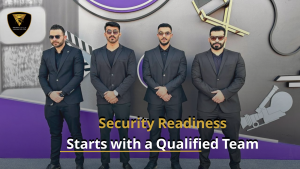
Why Is Security Planning Important for Facilities?
Organized security planning helps identify weaknesses before they turn into actual risks, and also contributes to establishing clear procedures for dealing with emergencies and strengthening control over different aspects of the facility. Security planning includes studying the nature of the site and its potential risks, in addition to determining monitoring mechanisms, organizing the movement of people and vehicles, and establishing procedures for dealing with unexpected situations.
Among the most important aspects of security planning are:
– Assessing potential risks inside the facility and its surroundings.
– Organizing entry and exit operations.
– Determining appropriate procedures for emergencies.
– Enhancing security monitoring and follow-up.
– Raising the readiness of security teams to deal with different situations.
Security Guarding Begins with Understanding the Facility’s Needs
No two facilities are identical in terms of the nature of their operations or level of risks. Therefore, each facility needs security solutions designed according to its actual needs. The needs of commercial facilities differ from those of administrative or residential facilities, just as the requirements of sites that experience continuous movement of visitors and vehicles differ from sites with limited access. Here comes the role of Alarabih Security Guards in providing guarding services that suit the nature of the site, with a focus on discipline and compliance with security procedures, helping provide an organized and secure environment that suits the nature of the activity, the size of the facility, and the required level of protection.
Rapid Response Enhances the Level of Protection
Some security situations may require quick decision-making and dealing with the incident; therefore, rapid response represents an important element of the security system. The more prepared security teams are and the clearer their roles and procedures are, the more effective their ability to deal with different situations becomes, whether it involves an attempt at unauthorized entry, an emergency, or a situation requiring rapid intervention. Continuous monitoring and communication among team members also contribute to quickly transmitting information and taking the appropriate action, which helps limit the effects of risks and maintain the safety of those present and the continuity of work within the facility.
Security Monitoring and Its Role in Preventing Risks
Continuous security monitoring is one of the important elements in protecting facilities, as it helps identify unusual behaviors or situations at an early stage. Monitoring is not limited to observing the site, but also includes paying attention to the movement of people and vehicles, monitoring entry and exit points, and ensuring compliance with the procedures adopted within the facility. Having security personnel who are qualified and trained in observation and dealing with different situations contributes to enhancing the level of monitoring and reducing the possibility of incidents, while also helping deal with any security concern before it develops into a larger problem.
Organizing Entry and Exit Enhances Facility Security
Controlling entry and exit movement is one of the fundamental aspects of the security system, particularly in facilities that receive large numbers of employees, visitors, or vehicles on a daily basis. Organizing this movement helps identify individuals authorized to enter, reduce unauthorized access to sensitive areas, and maintain smooth movement within the site. Having clear procedures that are continuously applied also contributes to improving organization and reducing confusion during peak times or when any exceptional circumstance occurs, making the management of entrances and exits an essential part of integrated security planning.
Security Team Readiness Improves the Efficiency of Handling Situations
The efficiency of any security system depends largely on the level of readiness of the teams responsible for implementing it. Having a clear plan alone is not enough unless the team is able to implement it properly. Readiness requires knowledge of the nature of the site and the procedures followed there, along with the ability to observe, communicate, and act appropriately when facing different situations. Commitment to discipline and instructions also contributes to unifying the way incidents are handled and reducing the possibility of making inappropriate decisions, which enhances the effectiveness of security protection and helps the facility maintain a stable and organized environment.
Technology and Its Role in Supporting the Security System
Modern technologies have become a supporting element in developing protection and monitoring methods within facilities, as monitoring systems, cameras, access control systems, and other technological solutions can be used to support security operations. These technologies help provide continuous information about the site and enhance the ability of security teams to monitor and make appropriate decisions. However, technology still requires qualified personnel who are capable of using it and effectively following up on what it detects. Therefore, combining technological solutions with human expertise contributes to building a more integrated security system capable of dealing with changes.
Building a Secure Environment Supports Business Continuity
The impact of security is not limited to protecting property and individuals; it also extends to the stability of daily operations and business continuity within the facility. When employees and visitors feel that there is an organized and secure environment, movement within the site becomes smoother and the possibility of business disruption due to unexpected security situations decreases. The presence of clear procedures and a security team ready to deal with different situations also helps management focus on its core activities, while having a security system that supports it in maintaining the safety of the site and its components.
Conclusion
Effective protection begins before the risk occurs, through planning, readiness, monitoring, and continuous follow-up. When these elements are integrated with a qualified security team, clear procedures, and solutions suitable for the nature of the facility, the facility becomes more capable of facing risks and maintaining the safety of individuals and property and business continuity. Alarabih Security Guards continues to provide its services according to an approach that focuses on prevention, discipline, and response, helping facilities build a more secure and stable environment that meets their security needs and requirements.